Home >
Doc >
Learn Relative Strength Point & Figure Charting > Major long-term trends - example 3 - 4
example 3
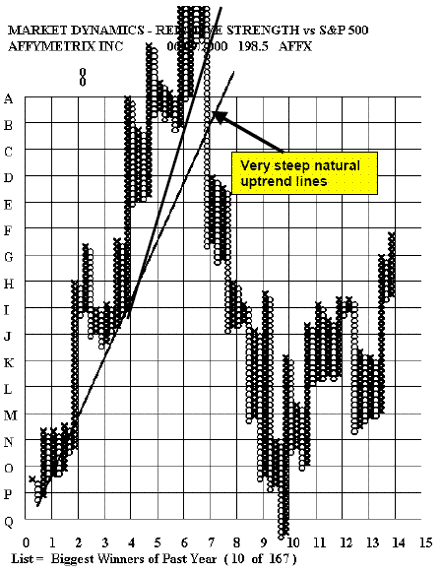
Trendlines that get steeper and steeper are suggesting a blow-off. These situations are usually best sold into the strength since the top will almost certainly give little warning.
The rule of nine new high columns can be used to estimate the end of the rise.
example 4
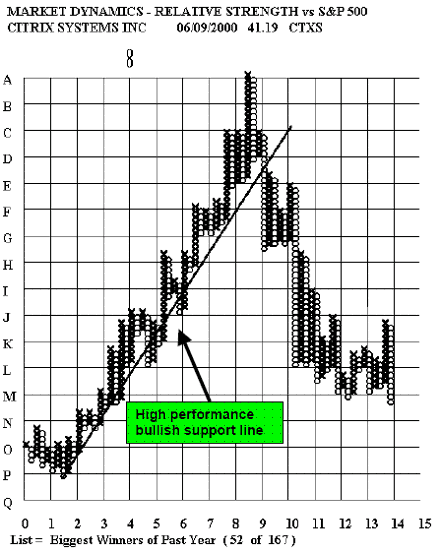
Relative strength ranking systems will usually rank a stock like this in the very highest ranks at the very top of the move and even after the stock has turned
down. The extreme nature of the upmove will still generate very
high relative strength ranks well after the top is in. In my opinion, it is far better to use relative strength trend following techniques because of this inherent weakness of longterm relative strength ranking systems.
By W. Clay Allen CFA
Next: Major long-term trends Example 5
Summary: Index